
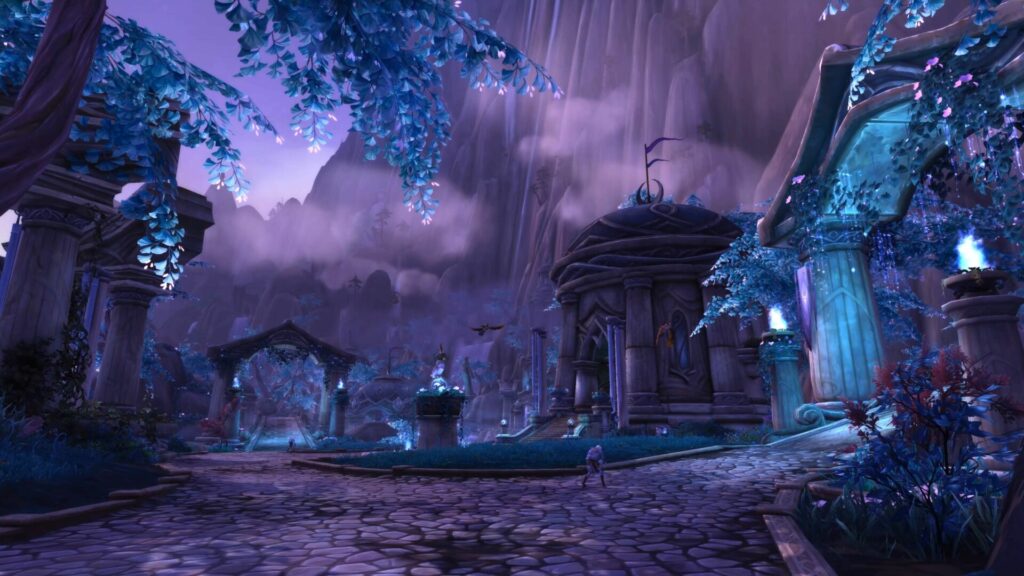


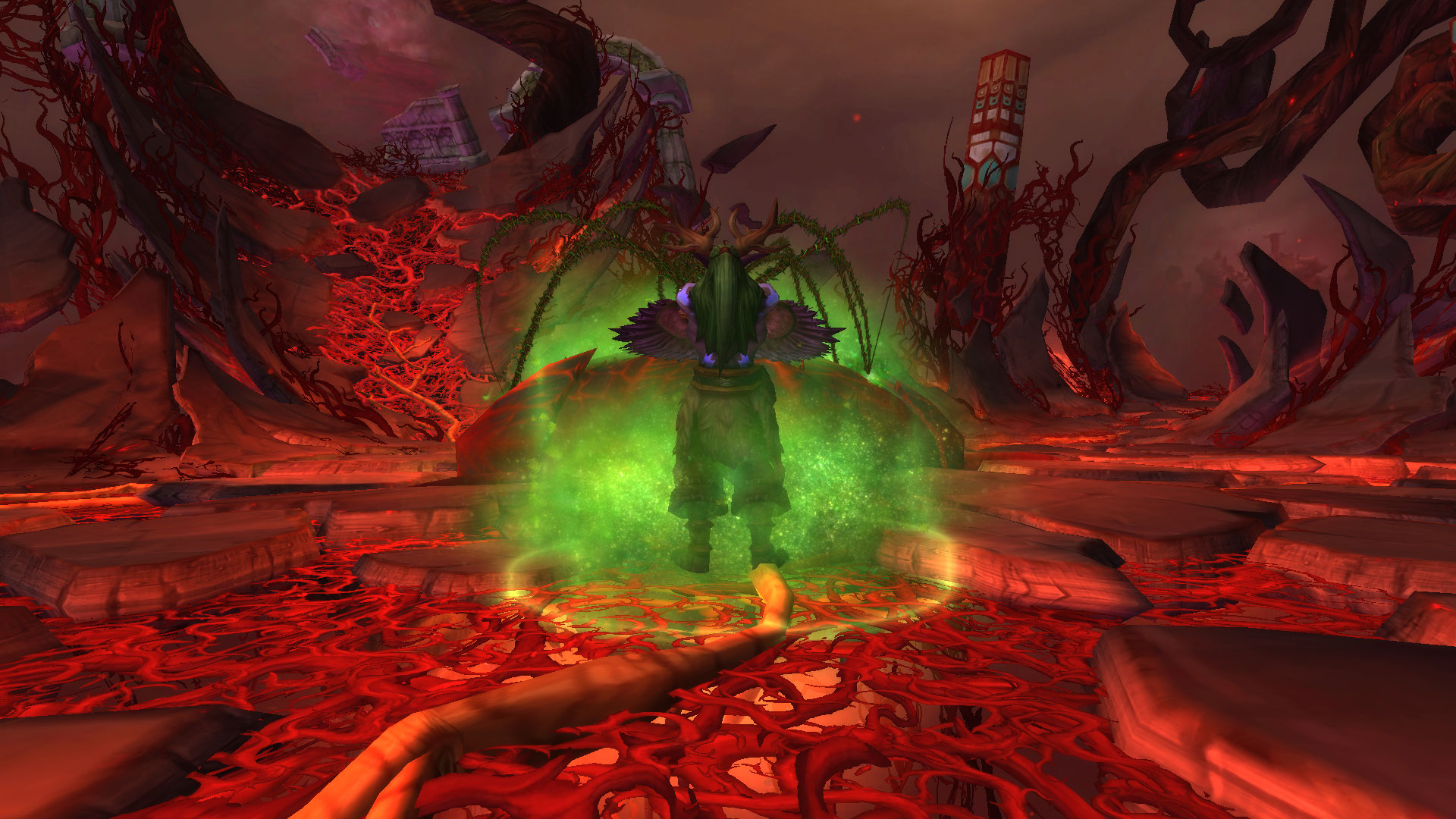
The Emerald Nightmare, introduced in World of Warcraft: Legion, featured Xavius as its primary antagonist. Despite the anticipation surrounding his character, many players felt that he did not meet expectations. This guide explores the reasons behind Xavius’s lackluster reception, analyzing narrative depth, gameplay mechanics, and community feedback to understand why he failed to resonate with the player base.
What Were the Key Reasons Xavius Wasn’t a Compelling Antagonist?
Xavius fell flat as an antagonist due to weak character development, lack of impactful lore, and insufficient gameplay mechanics that failed to engage players.
Xavius, once a powerful night elf and a servant of the Old Gods, had the potential for a rich backstory. However, his character was not fleshed out enough to create a compelling narrative. Players often felt disconnected from his motivations, which were not clearly articulated throughout the expansion. Moreover, his role as the final boss in the Emerald Nightmare raid lacked the dramatic weight typically associated with major antagonists in the lore, leading to a sense of anticlimax. The absence of a personal vendetta or a relatable goal made it difficult for players to invest emotionally in the conflict against him.
- Explore Xavius’s backstory in the lore to understand his motivations better.
- Engage with community discussions to gauge player sentiment on his character.
- Analyze the narrative structure of the Emerald Nightmare to identify gaps.
- Compare Xavius’s character development with other major antagonists in the game.
How Did Gameplay Mechanics Contribute to Xavius’s Lack of Impact?
The gameplay mechanics surrounding Xavius were underwhelming, with predictable fight patterns and a lack of innovative mechanics that could have enhanced player engagement.
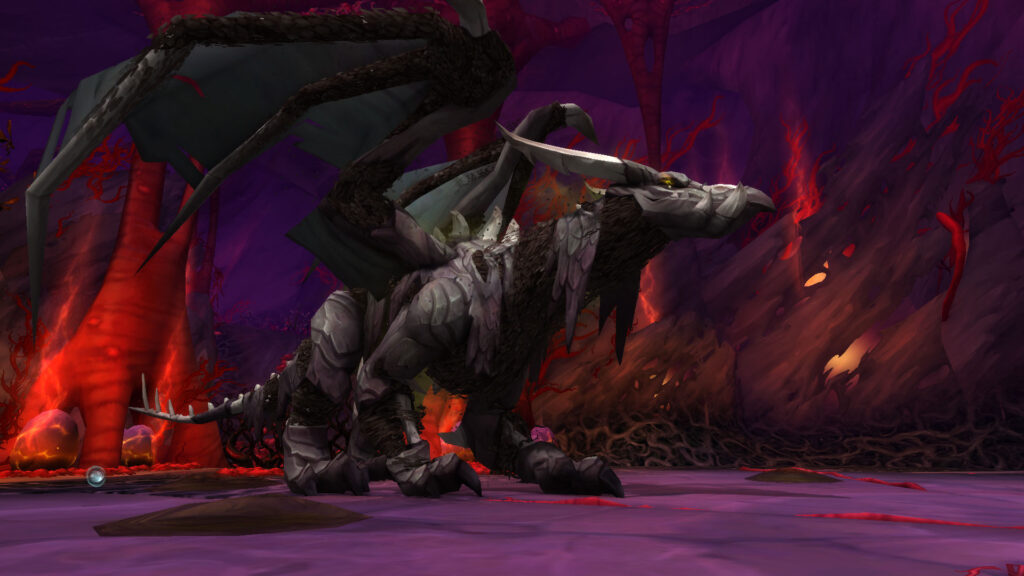
Xavius’s encounter design in the Emerald Nightmare raid featured mechanics that felt repetitive and uninspired. For instance, the fight relied heavily on standard raid mechanics like area denial and damage spikes, which did not introduce any new challenges for seasoned players. Additionally, the encounter lacked a dynamic environment or unique phases that could have elevated the experience. Players often found themselves going through the motions rather than feeling challenged or excited, which diminished the overall impact of the encounter. The absence of a compelling narrative thread during the fight further contributed to the feeling that Xavius was just another boss rather than a significant antagonist.
In contrast, other encounters in the raid, such as those against Il’gynoth or Cenarius, provided unique mechanics that required players to adapt and strategize. This disparity highlighted the shortcomings of Xavius’s design and left players wanting more from the final confrontation. To improve future encounters, developers could focus on creating multi-phase fights that incorporate narrative elements, ensuring that players feel a connection to the story while engaging with the mechanics.
What Role Did Community Expectations Play in Xavius’s Reception?
Community expectations were high for Xavius, and when he failed to deliver on those expectations, it led to widespread disappointment among players.
The anticipation for Xavius as a major antagonist was built up through various lore elements leading up to the expansion. Players expected a character with depth and a significant role in the overarching narrative of Legion. However, when Xavius was revealed as the primary antagonist, many felt that he did not live up to the hype. The community’s disappointment was compounded by the fact that other characters, such as Gul’dan, received more attention and development, making Xavius feel like a secondary villain in comparison. This disparity in character treatment led to a perception that Xavius was not worthy of the spotlight.
Furthermore, community feedback highlighted a desire for more engaging storytelling and character arcs. Players expressed frustration over the lack of emotional stakes in the conflict against Xavius. This feedback is crucial for developers to consider in future expansions, as it underscores the importance of aligning character development with player expectations. By ensuring that antagonists are well-developed and integrated into the narrative, developers can create more satisfying experiences for players.
What Are the Key Metrics for Evaluating an Antagonist’s Effectiveness?
Key metrics for evaluating an antagonist’s effectiveness include character development, gameplay mechanics, and community engagement.
Understanding these metrics can help assess why Xavius fell flat as an antagonist. The following table summarizes these metrics and their relevance to player experience.
| Metric | Description | Importance | Impact on Xavius |
|---|---|---|---|
| Character Development | Depth and complexity of the antagonist’s backstory and motivations. | High | Lack of depth led to player disconnection. |
| Gameplay Mechanics | Innovative and engaging fight mechanics that challenge players. | High | Repetitive mechanics diminished excitement. |
| Community Engagement | Player sentiment and feedback regarding the antagonist. | Medium | High expectations led to disappointment. |
How Can Future Antagonists Avoid Xavius’s Pitfalls?
Future antagonists can avoid Xavius’s pitfalls by focusing on rich character development, innovative gameplay mechanics, and aligning with community expectations.
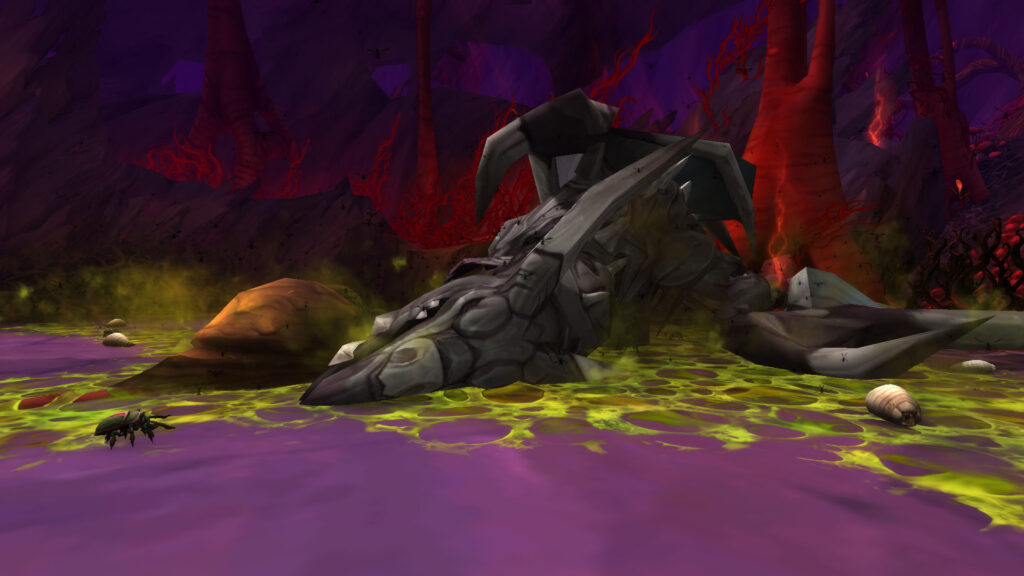
To create compelling antagonists, developers should prioritize character depth and narrative significance. This can be achieved by providing backstory and motivations that resonate with players, ensuring that the antagonist feels integral to the overall story. Additionally, introducing unique gameplay mechanics that challenge players in new ways can enhance engagement during encounters. By incorporating multi-phase fights with narrative elements, developers can create a more immersive experience that keeps players invested.
Furthermore, actively engaging with the community and incorporating feedback into character development can help align future antagonists with player expectations. This approach fosters a sense of connection between players and the narrative, making the conflict feel more meaningful. By learning from the shortcomings of Xavius, developers can craft future antagonists that leave a lasting impact on the player base.
Frequently Asked Questions
What makes a good video game antagonist?
A good video game antagonist typically has a well-developed backstory, clear motivations, and a significant impact on the game’s narrative. They should challenge the player both in gameplay mechanics and emotionally, creating a memorable conflict that enhances the overall experience.
How can developers improve character development in games?
Developers can improve character development by incorporating rich backstories, engaging dialogue, and meaningful interactions with other characters. This can be achieved through quests, cutscenes, and environmental storytelling that reveal the character’s motivations and complexities.
What role does community feedback play in game development?
Community feedback is crucial in game development as it provides insights into player expectations and experiences. By listening to player concerns and suggestions, developers can make informed decisions that enhance gameplay and narrative, ultimately leading to a more satisfying player experience.
Why is innovative gameplay important for antagonists?
Innovative gameplay is important for antagonists because it keeps players engaged and challenged during encounters. Unique mechanics can create memorable experiences that elevate the conflict, making the antagonist feel more significant and impactful within the game’s narrative.