



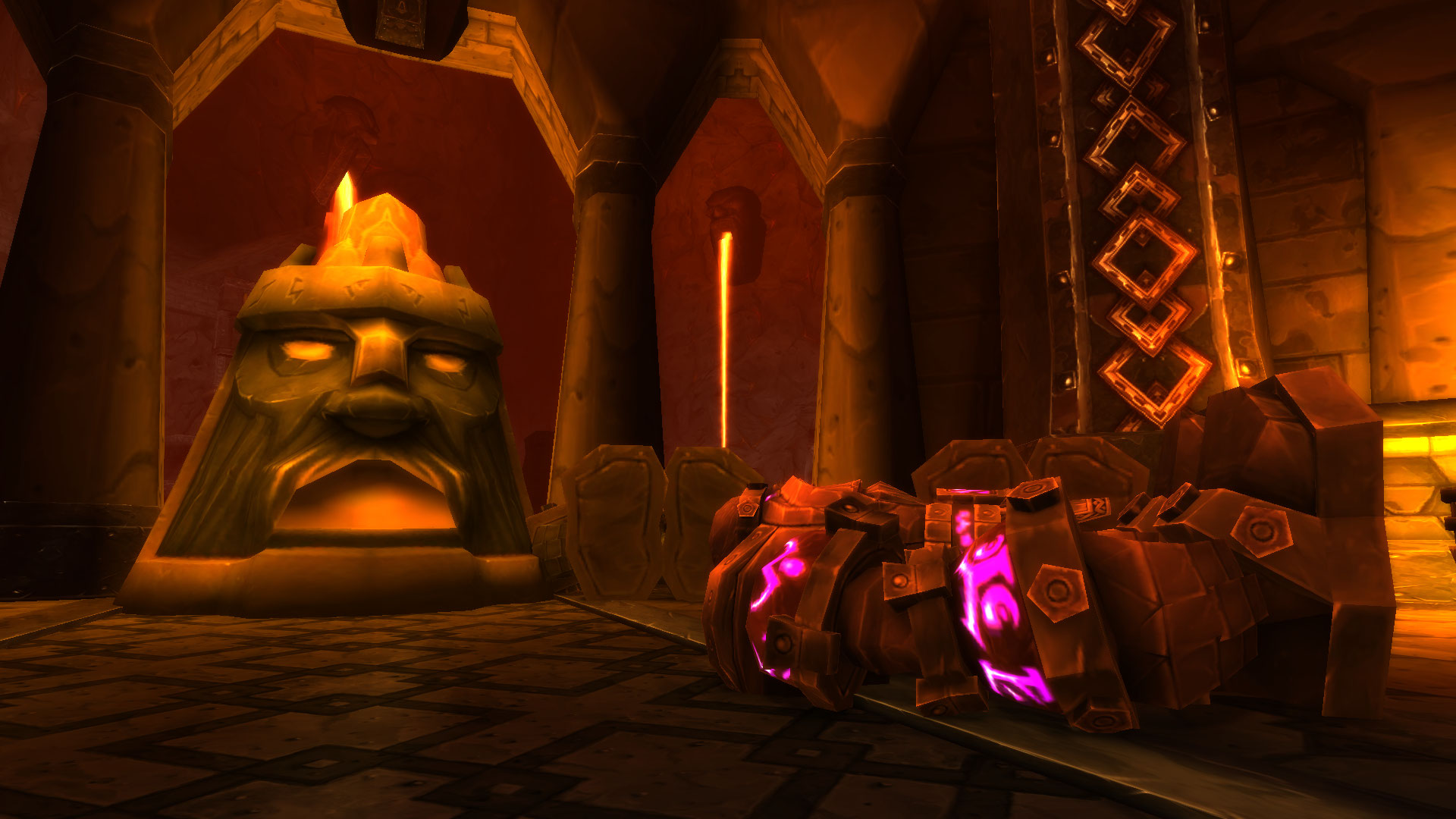
The reintroduction of Nefarian in Cataclysm’s Blackwing Descent raid not only reignited nostalgia among veteran players but also showcased significant improvements in boss mechanics and encounter design. This guide explores the reasons why Nefarian’s return was a triumph, focusing on gameplay mechanics, design philosophy, and community reception. By analyzing the encounter’s structure, we can appreciate how Blizzard refined the experience to create a more engaging and challenging fight.
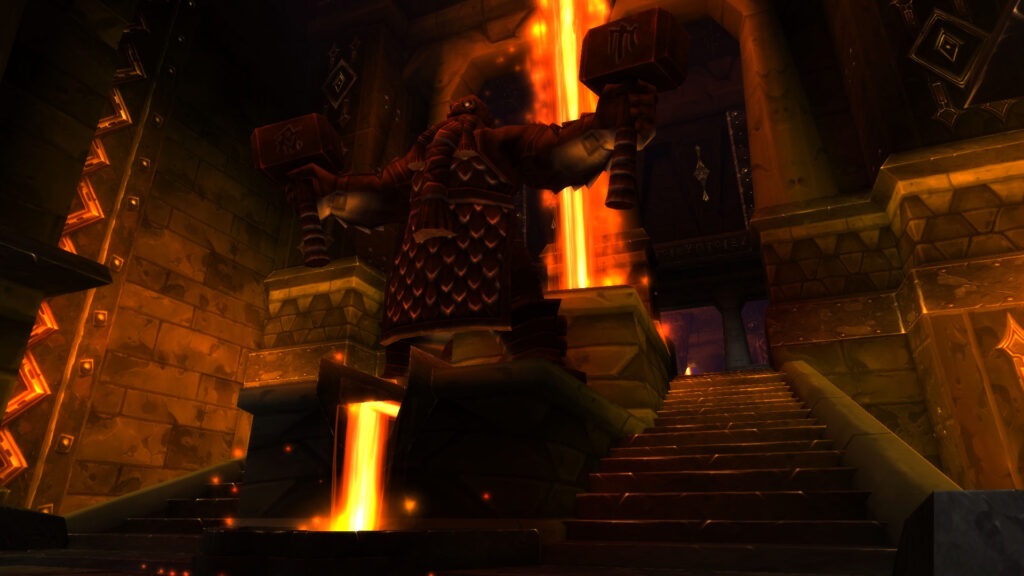
What Made Nefarian a Better Boss in Blackwing Descent?
Nefarian’s return in Blackwing Descent was marked by enhanced mechanics, a richer lore connection, and improved encounter design that captivated players.
The original Nefarian encounter in Blackwing Lair was iconic but had limitations in terms of mechanics and player engagement. In Cataclysm, Blizzard took the opportunity to revamp Nefarian’s abilities, introducing new mechanics that required players to adapt their strategies. This not only made the fight more dynamic but also allowed for a deeper exploration of Nefarian’s character and his ties to the lore of the Black Dragonflight. The encounter’s design encouraged teamwork and communication, elevating the overall experience for players.
Additionally, the fight’s pacing was meticulously crafted to maintain tension and excitement. Players faced a series of phases that required them to respond to changing mechanics, such as the introduction of adds and environmental hazards. This multi-phase approach kept players on their toes and ensured that no two attempts felt the same. The combination of nostalgia and fresh mechanics made Nefarian a memorable encounter, solidifying his status as a top-tier boss in the game’s history.
How Did Nefarian’s Mechanics Evolve in Blackwing Descent?
Nefarian’s mechanics evolved significantly in Blackwing Descent, introducing complex interactions that challenged players and demanded strategic coordination.
The original encounter primarily focused on tank-and-spank mechanics, which limited the depth of strategy required. In contrast, the Cataclysm version introduced a variety of abilities that required players to manage their positioning and timing. For instance, Nefarian’s ability to summon adds during the fight forced players to prioritize targets and manage crowd control effectively. This shift towards a more dynamic encounter design not only increased the challenge but also made the fight more rewarding for players who mastered the mechanics.
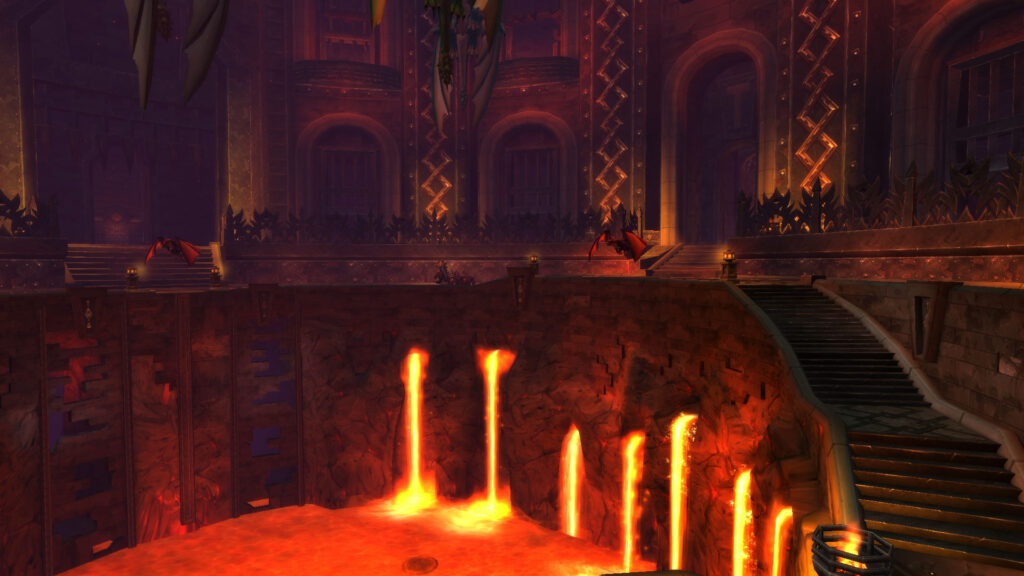
Moreover, the introduction of environmental hazards, such as the “Shadowflame” ability, added an additional layer of complexity. Players had to navigate these hazards while executing their roles, leading to a more immersive experience. The fight’s design emphasized the importance of communication and coordination, as players needed to call out mechanics and adjust their strategies on the fly. This evolution in mechanics not only made Nefarian a more formidable opponent but also created memorable moments that players would discuss long after the encounter was completed.
- Understand Nefarian’s phases: Each phase has unique mechanics that require specific strategies.
- Coordinate with your team: Effective communication is crucial for managing adds and environmental hazards.
- Utilize crowd control: Assign roles for handling adds to minimize chaos during the encounter.
- Practice positioning: Stay aware of your surroundings to avoid environmental damage from abilities like Shadowflame.
What Are the Key Differences Between Nefarian in Classic and Cataclysm?
The key differences between Nefarian in Classic and Cataclysm lie in mechanics, encounter pacing, and the overall player experience.
To understand the evolution of Nefarian, it’s essential to compare the two encounters side by side. In Classic, Nefarian’s abilities were relatively straightforward, focusing on damage output and tank management. However, in Cataclysm, Blizzard introduced a multi-phase fight that included new mechanics such as the “Blackwing’s Bane” ability, which required players to adapt their strategies throughout the encounter. This shift not only increased the complexity of the fight but also enhanced the overall engagement for players.
The table below summarizes the key differences between the two encounters, highlighting how each version of Nefarian challenged players in unique ways:
| Aspect | Classic Nefarian | Cataclysm Nefarian | Impact on Players |
|---|---|---|---|
| Mechanics | Simplistic damage mechanics | Multi-phase fight with diverse abilities | Increased challenge and engagement |
| Encounter Design | Linear progression | Dynamic phases with environmental hazards | Enhanced teamwork and strategy |
| Lore Connection | Basic lore integration | Deep ties to the Black Dragonflight | Stronger narrative immersion |
What Strategies Should Players Use to Defeat Nefarian?
To defeat Nefarian, players should focus on effective communication, strategic positioning, and understanding each phase’s mechanics.
Success in defeating Nefarian hinges on a well-coordinated team that understands the mechanics of each phase. Players should assign roles based on class strengths, ensuring that tanks are prepared to handle Nefarian’s damage output while healers are ready to mitigate incoming damage. Communication is key; players should call out mechanics as they occur, allowing the team to adapt quickly to changing circumstances. Additionally, understanding the timing of Nefarian’s abilities will enable players to execute their strategies more effectively.
Positioning is another critical factor in this encounter. Players must be aware of their surroundings to avoid environmental hazards and manage adds effectively. For example, during the “Blackwing’s Bane” phase, players should spread out to minimize damage from AoE attacks while still being close enough to assist with adds. By practicing these strategies and maintaining a focus on teamwork, players can enhance their chances of success against Nefarian.
What Are the Best Practices for Long-Term Success Against Nefarian?
Long-term success against Nefarian requires consistent practice, adaptability, and a focus on team synergy.
To achieve sustained success in defeating Nefarian, players should prioritize regular practice and review their strategies after each attempt. Analyzing what worked and what didn’t can provide valuable insights that lead to improved performance in future encounters. Additionally, players should remain adaptable, as each raid group may have different strengths and weaknesses that can influence the approach to the fight. Being open to adjusting strategies based on team composition and performance will enhance overall effectiveness.
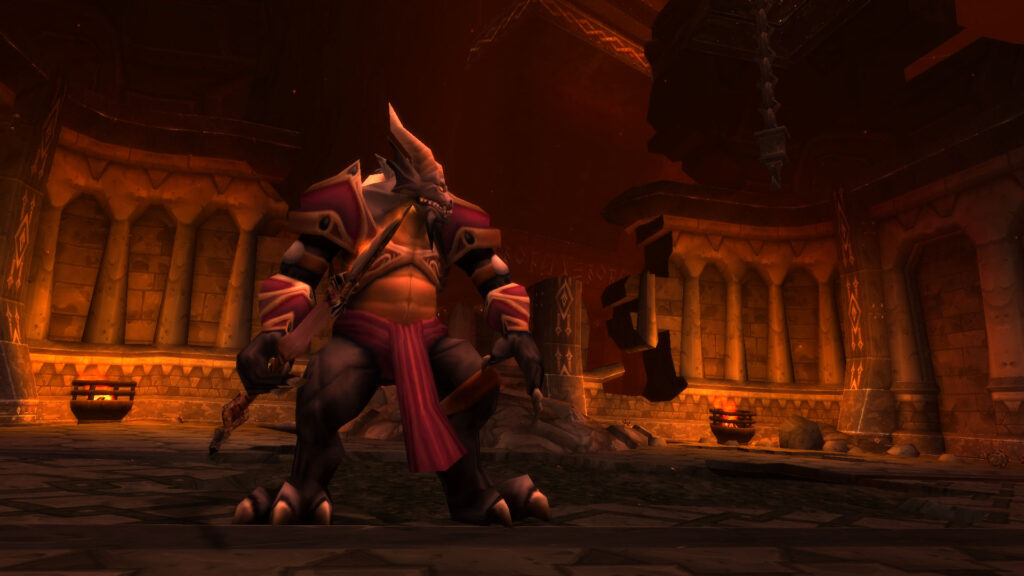
Furthermore, fostering a strong team dynamic is essential for long-term success. Players should engage in open communication, providing constructive feedback and support to one another. This not only builds camaraderie but also encourages a culture of improvement within the raid group. By focusing on these best practices, players can ensure that they are well-prepared to tackle Nefarian and other challenging encounters in the future.
Frequently Asked Questions
Why is Nefarian considered a classic boss in WoW?
Nefarian is considered a classic boss due to his iconic status in the original Blackwing Lair raid, where he was one of the first multi-phase encounters that required teamwork and strategy. His return in Cataclysm revitalized interest in the character and showcased Blizzard’s ability to innovate on existing lore.
What are the most challenging mechanics in Nefarian’s fight?
The most challenging mechanics in Nefarian’s fight include managing adds during the encounter, avoiding environmental hazards, and adapting to the changing phases of the fight. Players must work together to handle these mechanics effectively to succeed.
How can players prepare for the Nefarian encounter?
Players can prepare for the Nefarian encounter by studying the fight mechanics, practicing their roles in advance, and coordinating strategies with their team. Understanding the encounter’s phases and communicating effectively during the fight are crucial for success.