
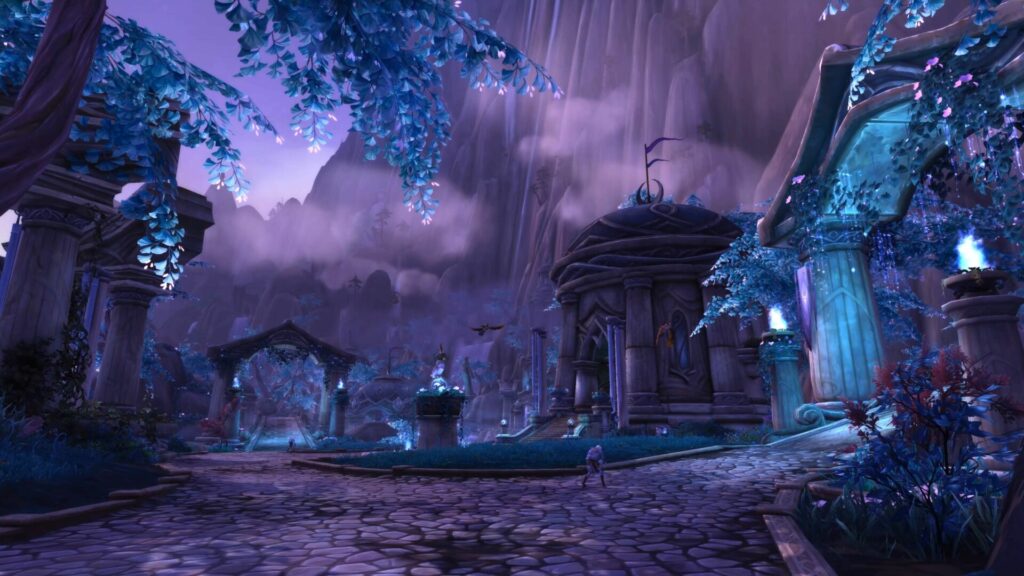



The Battle for Azeroth War Campaign delivered one of the most cinematic storytelling experiences ever crafted for the game. Built on sweeping cinematics, emotionally charged decisions, and faction-focused conflicts, the campaign created a sense of scale and drama that rivaled major single-player RPGs. Through carefully timed narrative beats, memorable character arcs, and escalating moral tensions, it became a defining example of how to blend visual storytelling with political intrigue.
This article explores why the War Campaign stands as Blizzard’s most cinematic narrative and why its emotional resonance continues to spark discussion years later.
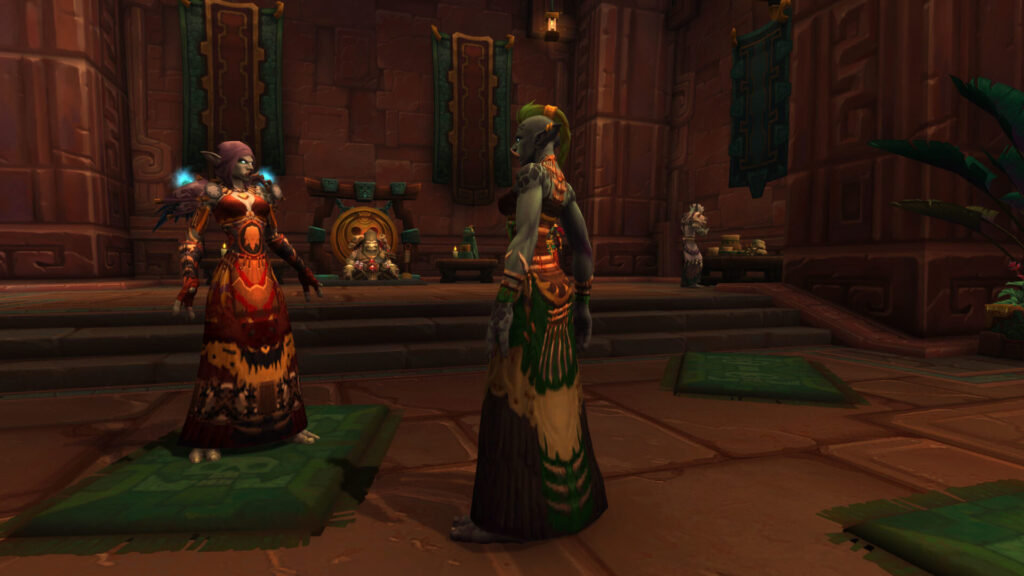
A Conflict Told Through Film-Like Visuals
The campaign leaned heavily on pre-rendered and in-engine cinematics to convey its central story. These visual sequences transformed moments of triumph, betrayal, and tragedy into theatrical events. The burning of Teldrassil, the siege of Lordaeron, Saurfang’s conflicted loyalty — each sequence elevated the story beyond quest text, giving players front-row seats to the emotional core of the conflict.
The campaign showed that cinematics can be the heartbeat of narrative progression.
Character Arcs With Emotional Depth
The War Campaign delivered some of the most layered character arcs in the world’s history. Saurfang’s internal struggle, Sylvanas’s growing estrangement from her own faction, Anduin’s idealism tested by war, and Jaina’s long-awaited reconciliation — these arcs grounded the campaign in personal stakes. Characters evolved through conflict, not exposition, creating emotional authenticity that anchored the storyline.
To highlight how these arcs strengthened the narrative, here is a brief overview:
- Saurfang: Honor clashing with despair and rebellion
- Sylvanas: Power, autonomy, and ideological extremity
- Anduin: The weight of leadership in a fractured world
- Jaina: Redemption shaped by trauma and forgiveness
- Derek Proudmoore: Identity reshaped through tragedy and manipulation
A Story Built on Political Tension
The War Campaign didn’t rely solely on cosmic threats. Instead, it focused on political tension, deception, espionage, and ideological divides between factions. This grounded approach gave the story a sense of realism within the fantasy setting. Decisions carried political consequences, alliances broke, and internal conflict reshaped the identity of entire factions. The narrative captured the emotional weight of ideological war.
Political drama became the narrative’s driving force.
Cinematic Pacing That Kept Players Engaged
The campaign unfolded in structured chapters that mirrored the pacing of episodic television. Each update delivered new scenes, new revelations, and new emotional beats. This episodic rhythm kept players engaged for months, building anticipation for the next storyline development. The spacing of cinematics and quests created a dramatic arc that felt intentional and cohesive.
Pacing turned gameplay into narrative performance.
Why the War Campaign Still Resonates
Despite controversies surrounding its story direction, the campaign remains memorable because it embraced bold, emotionally charged storytelling. It invited players to witness the moral struggles of beloved characters, challenged faction identity, and delivered visual sequences that became cultural moments within the community. It left behind quotes, scenes, and choices that players still reference today.
Its impact lives on because it told a story that demanded emotional response.
Conclusion
The Battle for Azeroth War Campaign remains Blizzard’s most cinematic narrative because it blended political tension, character depth, and visual intensity into a cohesive experience. Through its use of high-quality cinematics and emotionally driven arcs, it transformed the storytelling landscape and set new expectations for narrative delivery. Years later, its influence continues to shape how players remember and discuss the era.